

The most expensive AC decision in a Dubai villa renovation is often not the brand of unit. It is the ceiling, duct, drain, access and control decision that becomes hard to correct after gypsum is closed, linear lights are installed and a wardrobe is fixed below the only serviceable panel.
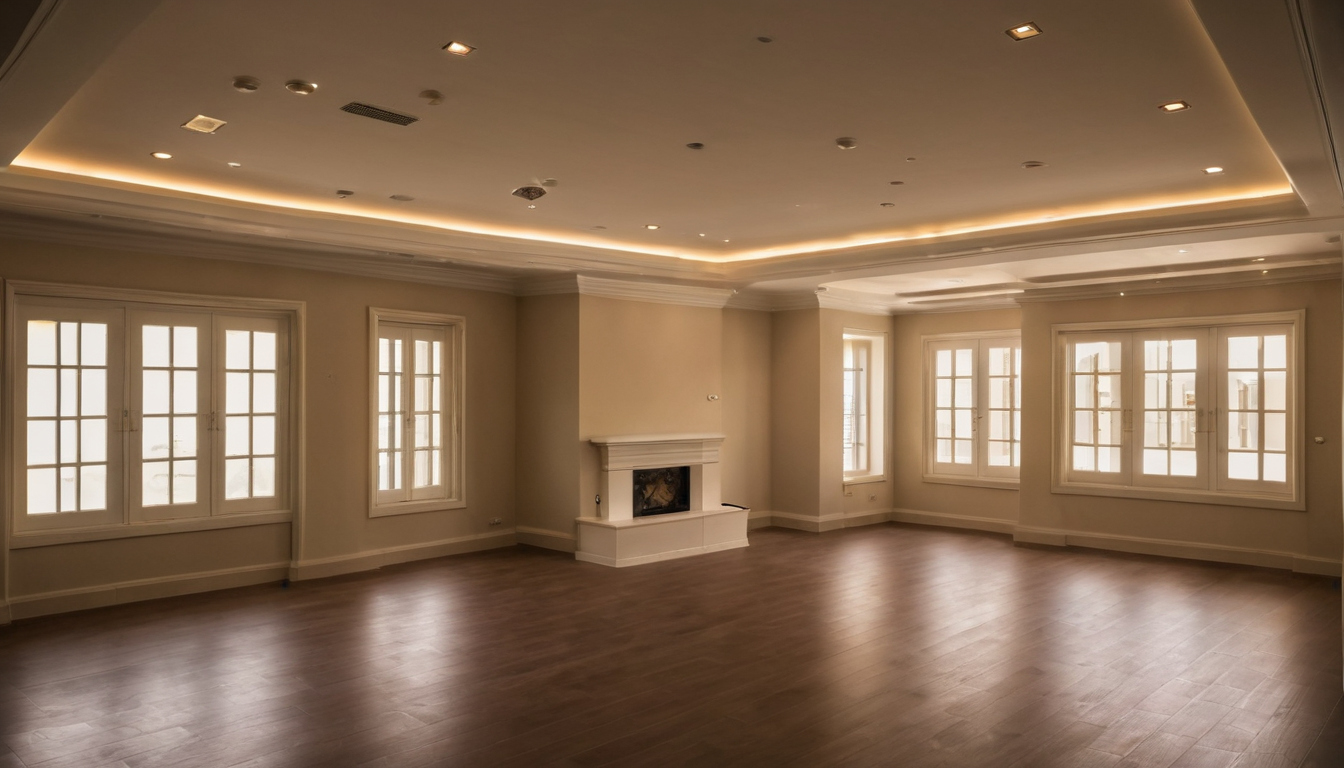
Villa AC Replacement in Dubai: What to Check Before Ceilings, Ducts and Controls Are Finalised shown with floor, wall, and fixture relationships visible.
What should a Dubai villa owner confirm about AC replacement before ceiling design is frozen?
Before ceilings are finalised in a Dubai villa renovation, the owner should confirm the AC system type, equipment locations, duct routes, return air paths, condensate drainage, access panels, control wiring and approval triggers, because these decisions shape ceiling heights, lighting positions, joinery interfaces and future maintenance access.
The first risk is timing. If AC decisions wait until gypsum framing or pre-closure inspection, the renovation team may already have fixed corridor bulkheads, feature ceilings, curtain pockets, wardrobes and downlight grids. A concealed fan coil above a family corridor, a ducted split above a dressing room or a return air path through a landing ceiling can then become a design problem rather than a mechanical detail.
-
Confirm the villa authority and community route: identify whether the villa sits under Dubai Municipality, Dubai Development Authority, Trakhees or a master-developer controlled community before assuming that AC works are only a contractor matter.
-
Confirm the existing system type: record whether the villa has ducted split units, concealed split units, package units, VRF equipment or another arrangement before ceiling depths are promised.
-
Confirm the renovation scope: separate a direct equipment replacement from a capacity change, duct modification, condenser relocation or full MEP redesign.
-
Confirm the ceiling scope: mark gypsum false ceilings, bulkheads, feature ceilings, double-height edges, corridor ceilings and wet-area ceilings where AC components may pass, drain or need access.
-
Confirm the design stage: decide whether AC information is needed for concept design, authority submission, shop drawings, ceiling framing or pre-closure inspection.
The subject of the first AC meeting is ceiling coordination, not only unit selection
The first AC meeting should bring the interior designer, MEP engineer, AC contractor and fit-out contractor to the same reflected ceiling plan. The owner should not accept a discussion limited to brand, tonnage or replacement availability if the ceiling plan has not shown where air will travel, where water will drain and where technicians will open the ceiling later.
The minimum drawing set should include the reflected ceiling plan, MEP layout, duct layout, equipment schedule and access panel plan. A luxury ceiling with linear lights and slim shadow gaps can still fail operationally if the access panel lands inside a wardrobe, above fixed joinery or in the middle of a decorative feature that nobody wants to open.
Indoor air quality also belongs in this early meeting. The U.S. Environmental Protection Agency recommends increasing ventilation when using products that emit volatile organic compounds indoors, so AC planning during renovation should consider how occupied or recently finished rooms will be ventilated during material use and after fit-out works. U.S. Environmental Protection Agency
What should a Dubai villa owner confirm about AC replacement before ceiling design is frozen shown as an editorial reference for proportion and finish coordination.
A like-for-like AC replacement has different risks from a redesigned villa cooling system
A like-for-like replacement should mean that the project keeps the same general system arrangement, equipment locations, duct concept, condenser position, drainage path and control intent, subject to the relevant authority or community rules. Even then, the team should check physical fit, service clearance, drain condition, access panels and ceiling conflicts before calling the scope simple.
A redesigned villa cooling system carries wider coordination risk. A larger unit, a rerouted duct, a new return air path, a relocated outdoor condenser, a changed thermostat position or a revised zoning plan can affect ceiling design, electrical coordination, approval requirements and the construction sequence. These changes should be identified before the ceiling design is frozen, because AC capacity and matched equipment should be verified before ducts and controls are redesigned.
AC capacity and matched equipment should be verified before ducts and controls are redesigned
For a Dubai villa, AC capacity should be checked against the renovated room layout, glazing, insulation, occupancy and equipment load before the ceiling and duct design is approved. Replacement condensers, fan coil units and controls should be compatible as a system, especially where extensions, larger kitchens or changed room functions alter cooling demand.
-
Ask for an existing and proposed AC capacity schedule by room, zone or unit.
-
Compare the AC schedule with the latest architectural plan, not the original developer plan.
-
Confirm whether new glazing, skylights, extensions, open-plan areas or enclosed balconies change the cooling load.
-
Check that each indoor unit, outdoor unit, thermostat and controller is compatible with the selected system.
-
Flag any material increase in connected electrical load before ceilings, DB changes and authority coordination are treated as finished.
The subject of AC sizing is the renovated villa layout, not the old room plan
The old AC tonnage may describe the villa before renovation, not the villa being built now. A majlis opened into a dining room, a show kitchen with more appliances, a glazed stair void, a converted balcony or a new master suite can change the way heat enters and moves through the house.
The design team should review before-and-after plans with the AC contractor or MEP consultant before duct routes are fixed. Room names matter less than room use: a guest bedroom used occasionally, a family TV lounge used every evening and a closed kitchen with heavy cooking do not create the same comfort demand.
A practical sizing discussion should include the renovated villa’s exposed façades, roof areas, window changes, shading, occupancy pattern and equipment loads. If insulation or glazing is being upgraded, that should also be recorded because the cooling demand may not simply increase. The goal is not to oversize for safety; the goal is to match the system to the final villa layout.
When a split HVAC system is present, the condenser and evaporator must be properly matched
Matched equipment is a design decision, not a procurement detail. In a split, ducted split or VRF arrangement, the outdoor condenser, indoor fan coil or evaporator, refrigerant piping, controls and drainage arrangement need to work as one system.
The selected manufacturer’s installation requirements should be checked before the ceiling design is signed off. The relevant checks include permitted indoor and outdoor model combinations, refrigerant pipe routing, service clearance, drain provisions and control wiring requirements. A replacement outdoor unit connected to an unsuitable existing indoor unit can create performance, control and warranty problems that are difficult to diagnose after finishes are complete.
The villa owner should ask one direct question before approving equipment: is this a matched system for the proposed layout, or is one part of an old system being retained because it is easier today? That answer affects duct design, access panels, thermostat selection and the future maintenance route.
AC capacity and matched equipment should be verified before ducts and controls are redesigned shown with floor, wall, and fixture relationships visible.
A larger AC system may change the electrical coordination conversation with DEWA
A capacity increase is not only an AC conversation. If the proposed system materially changes the villa’s connected electrical load, the electrical consultant or contractor should compare the existing DEWA electricity connection information with the proposed AC electrical load schedule before finalising distribution boards, cable routes and ceiling closures.
This check does not mean every AC replacement becomes a load upgrade. A like-for-like replacement may stay within the existing electrical allowance, while a villa extension, additional units or larger equipment may require earlier coordination. The key risk is timing: discovering an electrical constraint after ceilings and joinery are installed can force avoidable rework.
Once capacity, matched equipment and electrical boundaries are clear, the next comfort issue becomes visible: duct routes, return air paths and ceiling voids decide whether the villa feels comfortable after renovation.
Duct routes, return air paths and ceiling voids decide whether the villa feels comfortable after renovation
In renovated Dubai villas, comfort problems often come from poor duct coordination rather than the AC unit alone. Supply ducts, return air paths, grille locations, ceiling void depth, insulation, leakage control and noise separation must be fixed before gypsum ceilings, decorative bulkheads, recessed lighting and wardrobes make access difficult.
The practical test is simple: the reflected ceiling plan should show how air enters each room, how air leaves each room, where the duct branches run, where dampers and access points sit, and whether the ceiling void can actually contain the proposed route. A neat majlis ceiling with a central cove, downlights and speakers can still perform badly if the return air path is squeezed into a corridor after the design is frozen.
Supply and return air must both be shown on the villa ceiling plan
Supply grilles alone do not prove that a room will cool properly. The villa ceiling plan should identify each supply grille, each return grille, the duct route serving each branch, and any balancing damper that the AC contractor expects to reach later.
Bedrooms, dressing rooms, majlis rooms, living rooms and enclosed kitchens need a confirmed return air strategy. The design team should decide whether air returns through a door undercut, transfer grille, corridor return, high-level grille or ducted return. That decision affects privacy, sound transfer, joinery openings, door details and ceiling levels.
A room-by-room return air check prevents a common renovation failure: cold air is delivered into a closed bedroom, but the air cannot return freely to the unit. The result can be uneven temperature, door pressure, grille noise or weak airflow in the rooms furthest from the equipment.
Lighting, wardrobes and decorative ceilings should not block duct access or air movement
The reflected ceiling plan should overlay diffusers, return grilles, downlights, coves, speakers, curtain pockets, smoke detectors where applicable and access panels. This overlay matters because luxury interior details compete for the same shallow ceiling space that ducts and service hatches need.
Lighting coordination should also consider heat and maintenance. ENERGY STAR states that qualified LED lighting uses at least 75 percent less energy and lasts up to 25 times longer than incandescent lighting, where qualified LED bulbs or fixtures are applicable. Even with efficient fittings, the ceiling layout still needs clear separation between lights, grilles, sensors and removable access panels.
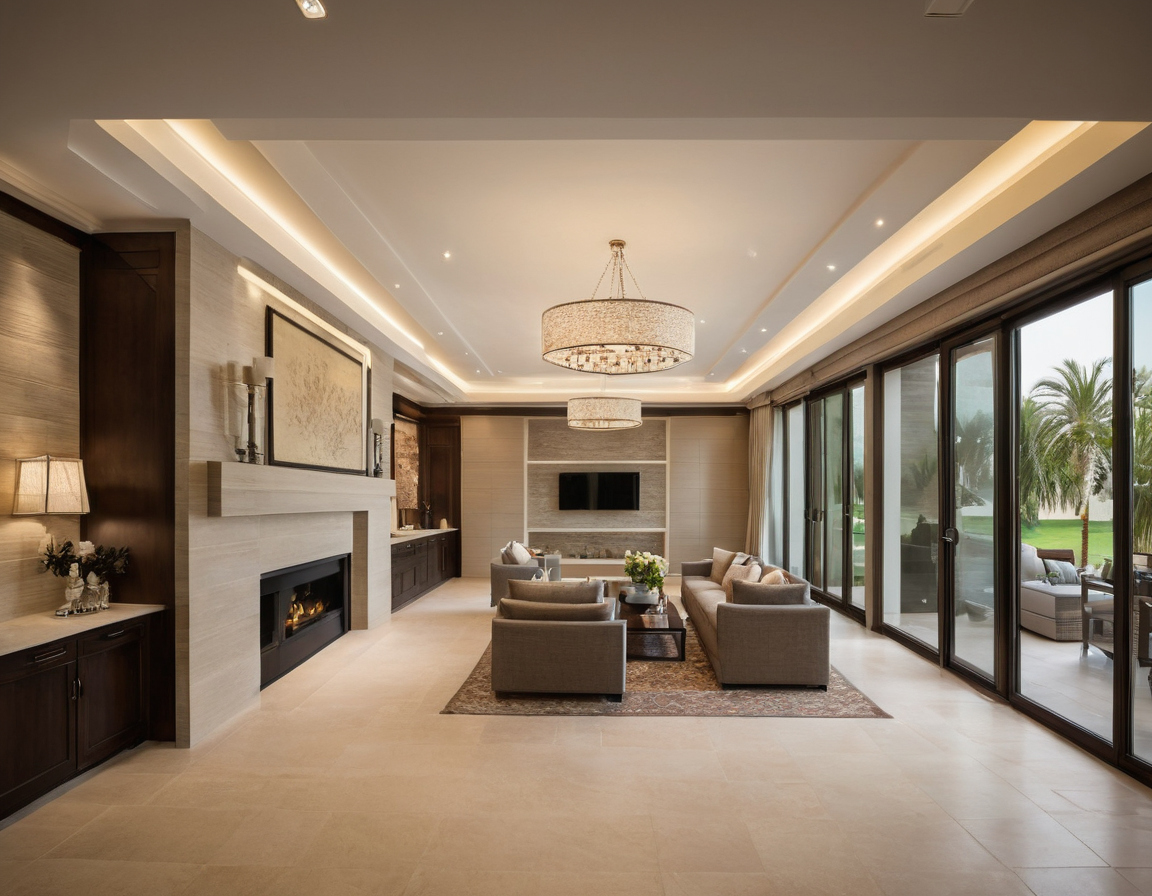
Duct routes, return air paths and ceiling voids decide whether the villa feels comfortable after renovation shown as a planning reference for layout, scale, and material decisions.
Wardrobes and decorative bulkheads need the same discipline. If a return grille is hidden above a wardrobe, the joinery elevation should show the opening and the maintenance route. If a ducted unit sits above a corridor ceiling, the hatch should align with the service side of the unit, not with the last available empty square of gypsum.
Duct insulation and sealing matter more when humid air can meet cold surfaces
Duct insulation and vapour barrier continuity should be checked before closure, especially where ducts pass through roof spaces, unconditioned voids, external wall zones or humid service areas. The risk is not only cooling loss. Cold duct surfaces exposed to humid air can create damp spots that later appear as staining, odour or damage around ceilings and cupboards.
The U.S. Environmental Protection Agency guide to mold and moisture states, for residential moisture-control planning, that condensation and wet or damp spots should be fixed promptly to prevent mold growth. In a Dubai villa renovation, that means the AC and fit-out teams should inspect duct sealing, insulation joints and vapour barrier continuity before gypsum boards cover the route.
The owner should ask for the proposed duct layout with sizes, routes, branches, dampers and grille locations, plus confirmation of available ceiling void depth in each affected room, corridor and bulkhead. Once that air path is credible, the next hidden risk is water: condensate drainage, humidity control and maintenance access must be resolved before ceilings are closed.
Condensate drainage, humidity control and maintenance access must be resolved before ceilings are closed
A villa AC replacement in Dubai should not be closed above ceilings until condensate routes, drain slopes, traps, pumps where proposed, insulation continuity and access panels are inspected. In humid operating conditions, small drainage or access mistakes can lead to staining, odour, mould risk, ceiling damage and difficult warranty disputes.
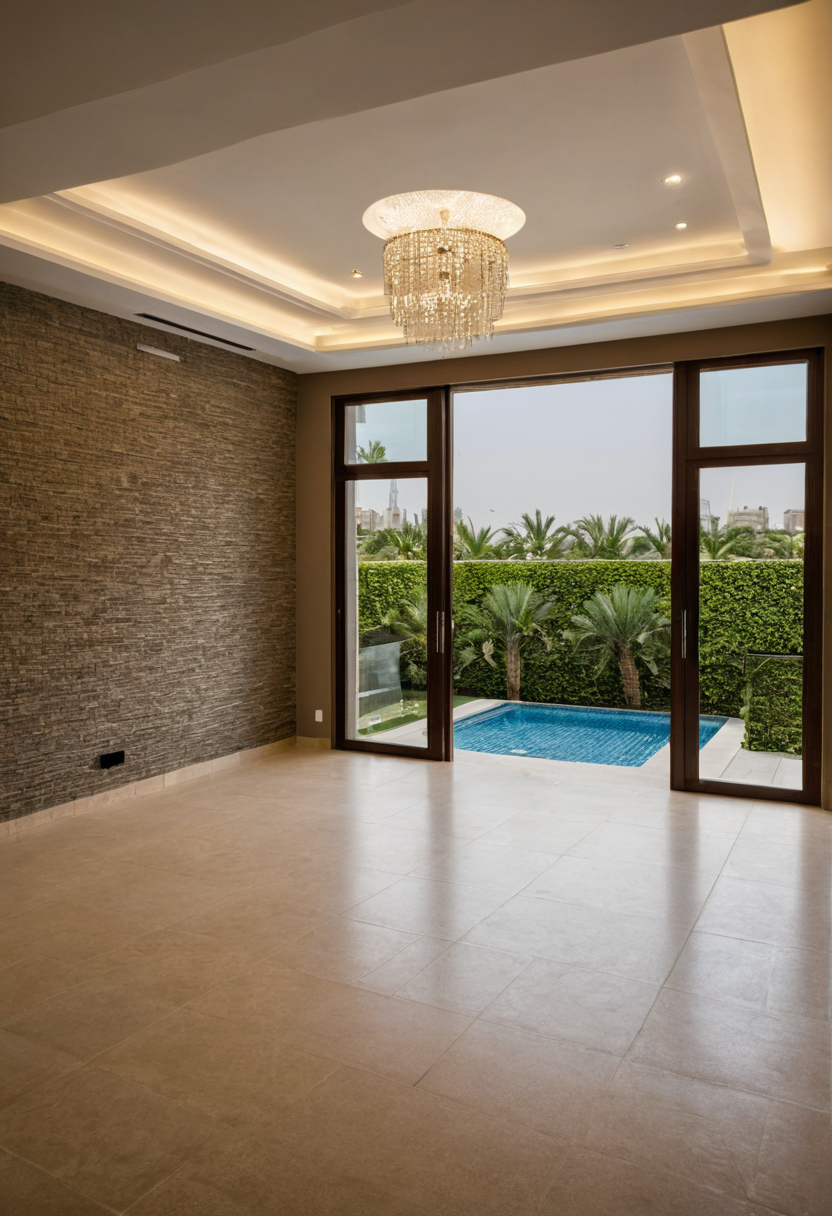
Condensate drainage, humidity control and maintenance access must be resolved before ceilings are closed shown as an editorial reference for proportion and finish coordination.
The practical test is simple: every indoor unit should have a drawn drain route from the unit to the intended discharge point, and every serviceable component should remain reachable after gypsum, coves, wardrobes and decorative panels are installed. This is not a snagging item to discover after painting.
Condensate drains need visible, maintainable routes in the villa ceiling design
Condensate drainage should appear on the coordinated reflected ceiling and MEP drawings, not only in the AC contractor’s verbal scope. The route should identify the indoor unit, drain line direction, proposed discharge location, trap or clean-out where required by the selected equipment, and any point where a pump is proposed because gravity drainage is not practical.
Manufacturer installation requirements should control the detailed drain arrangement for each selected indoor unit. The renovation team should confirm drain slope, trapping, insulation, clean-out access and pump access against the installed model, then check that the proposed route does not clash with downlights, curtain pockets, shower ceilings, wardrobe tops or feature bulkheads.
Condensate pumps need special attention because the pump is both a drainage component and a future maintenance item. A pump hidden above a finished ceiling without clear access can turn a minor blockage into a ceiling opening, repainting exercise and responsibility dispute between the AC contractor, fit-out contractor and maintenance team.
Before ceiling closure, the site team should complete a short drain inspection:
-
Confirm the drain route from each indoor unit to the approved discharge point.
-
Check slope, trap and clean-out details against the selected equipment and applicable project requirements.
-
Test drainage before gypsum closure, with photos of the route and discharge point.
-
Confirm that insulated cold surfaces do not create avoidable condensation risk above ceilings or inside wardrobes.
-
Record any condensate pump location, access panel and power connection for maintenance handover.
Maintenance access panels should be designed, not hidden at the last minute
Maintenance access panels should be part of the interior design package, not a late square cut into a finished ceiling. Filters, coils, drain pans, valves, control boards, dampers and pump assemblies should be reachable without removing joinery or damaging decorative gypsum work.
Access panel locations should be agreed by the interior designer, MEP contractor and villa owner while ceiling levels are still flexible. In living rooms and bedrooms, the panel may need to align with ceiling geometry, grille lines or lighting zones. In corridors, bathrooms and service areas, the panel may be easier to conceal, but the service path must still suit the actual equipment position.
Humidity control also depends on access because poorly maintained filters, blocked drain trays and unreachable dampers reduce system performance. Oversized systems, low-load guest rooms and intermittently occupied majlis or bedroom suites need particular attention because short running cycles may cool the room without giving the system enough useful operating time to manage moisture well.
Approval timing can also affect closure planning. For projects using the Dubai Development Authority Building Modification - Design service, DDA states an estimated delivery time of 5 Working Days, AED 1,500 service fees, additional AED 10 Knowledge Dirham and AED 10 Innovation Dirham fees, and a design approval validity of 6 months, for applications through its online channel or customer service center.
Once drainage and access are fixed, the next coordination question is whether controls, zoning and smart thermostats match the equipment, wiring and the way the villa is used.
Controls, zoning and smart thermostats should be coordinated with equipment, wiring and how the villa is used
Controls for a Dubai villa AC replacement should be selected after confirming equipment compatibility, zoning logic, thermostat locations, wiring routes and the owner’s daily use pattern. Smart thermostats, motorised dampers and room sensors can improve control only when the AC system, ceiling layout and commissioning plan support them.
The control decision should be named on the MEP and interior drawings before wall finishes, ceiling closure and joinery installation. A manufacturer controller, third-party smart thermostat, BMS-style integration, room sensor or simple wall thermostat can each be valid, but each option has different wiring, interface and commissioning requirements.
Equipment compatibility is the first filter. Variable-speed, inverter, VRF, ducted split and package equipment may not respond in the same way to generic thermostat commands. The AC supplier should confirm the permitted controller type, wiring arrangement, communication protocol where relevant and any limitation on third-party smart controls before the villa owner approves wall locations.
The best thermostat position is a comfort measurement point, not a decorative afterthought
The thermostat position should represent the room condition that the villa owner actually wants to control. A thermostat placed beside a supply grille, in direct sun, near a kitchen opening, close to a stairwell or inside a decorative recess may read a condition that does not match the occupied seating or sleeping area.
Interior elevations should show thermostat and sensor locations with the same seriousness as switches, wall lights and joinery handles. In a double-height living room, a majlis with heavy guest use, a bedroom with afternoon sun or a kitchen-connected family lounge, the selected point should be reviewed against heat sources, air movement and normal occupancy.
The control meeting should therefore include the AC contractor, interior designer and electrical team. The owner should confirm which rooms are used all day, which bedrooms need independent night control and which guest areas can operate only when occupied.
Zoning helps only when dampers, ducts and controls are designed together
Zoning is not created by adding more thermostats to an unchanged duct system. A bedroom zone, living zone, majlis zone, kitchen zone, staff area or guest suite needs duct routes, return air paths, damper positions and control wiring that allow the system to respond without starving airflow elsewhere.
If motorised dampers are proposed, the design team should issue a zone damper schedule and explain how airflow will be balanced during commissioning. Where equipment modulation, bypass airflow or variable airflow logic is needed, that strategy should be agreed before ceilings close, not improvised after grilles are installed.
Controls also affect approvals and external coordination when AC capacity, condenser positions, roof penetrations or electrical load change, which leads directly to the next check: which Dubai approvals or NOCs may apply before villa AC replacement changes external units, structure or load?
Which Dubai approvals or NOCs may apply before villa AC replacement changes external units, structure or load?
In Dubai, villa AC replacement may be simple maintenance or it may trigger approvals when it changes connected load, outdoor unit locations, roof equipment, façade appearance, structural supports, duct penetrations or community rules. The correct route depends on jurisdiction, master-developer guidelines and whether the work is like-for-like or a modification.
The approval question starts with the villa’s authority and community, not the AC brand
The villa owner should first identify the approving framework for the plot: Dubai Municipality, Dubai Development Authority, Trakhees or another relevant building control route. A managed villa community may also require a master-developer, owner association or facilities management NOC before contractors move condensers, open ceilings, alter roof areas or work near external elevations.
Dubai Development Authority provides a Building Modification - Design service for design review of completed building projects after a building completion certificate has been issued. For DDA applications under that service, the requester is the consultant and the stated deliverable is stamped drawings, so the AC change should be documented as a design issue where the scope qualifies as modification rather than treated only as a site instruction.
For DDA building modification design applications, Dubai Development Authority states that proposed changes must be supported by approved stamped drawings and proposed drawings highlighting the changes, with drawing disciplines including architectural, structural and mechanical drawings as per Circular no. 400. That requirement matters when duct routes, equipment locations, structural supports, openings or services coordination differ from the approved villa record.
DDA building modification design applications also require owner-related approvals, including an NOC from the building owner and a consultant appointment letter from the owner or tenant. DDA states that structural calculations and models are required if applicable, and a Dubai Civil Defense NOC is required if applicable. The practical point is narrow: the AC contractor should not assume that a larger unit, new platform, new opening or changed MEP route can be agreed verbally on site.
The technical review should also be wide enough to cover comfort and safety topics, not only equipment tonnage. CIBSE’s Design Guide for Dubai: Mechanical covers design topics relevant to AC replacement checks, including cooling load calculations, infiltration, ventilation rates, building pressurisation, air movement, noise and vibration control, energy conservation, refrigerants, and fire and life safety systems.
External condenser relocation can affect façade rules, neighbour impact and roof waterproofing
External condenser relocation should be checked against the existing and proposed locations before any ceiling or cladding work proceeds. A move from a side yard to a roof, from a screened service zone to a visible elevation, or from one neighbour-facing wall to another can create issues that are architectural, acoustic, structural and waterproofing related, not only mechanical.
The owner’s approval pack should show the proposed condenser position, support detail, drainage route, refrigerant pipe route, electrical isolation location and any screening or louvre changes. Roof-mounted equipment should be coordinated with waterproofing penetrations and support frames, while wall-mounted or façade-adjacent equipment should be checked against the community’s external appearance rules where those rules apply.
Connected load should be reviewed if the replacement changes the AC capacity or the electrical demand of the villa. The owner does not need a DEWA discussion for every routine maintenance swap, but a material capacity change should be raised with the MEP consultant and electrical contractor before ceilings hide cable routes, isolators and distribution-board changes.
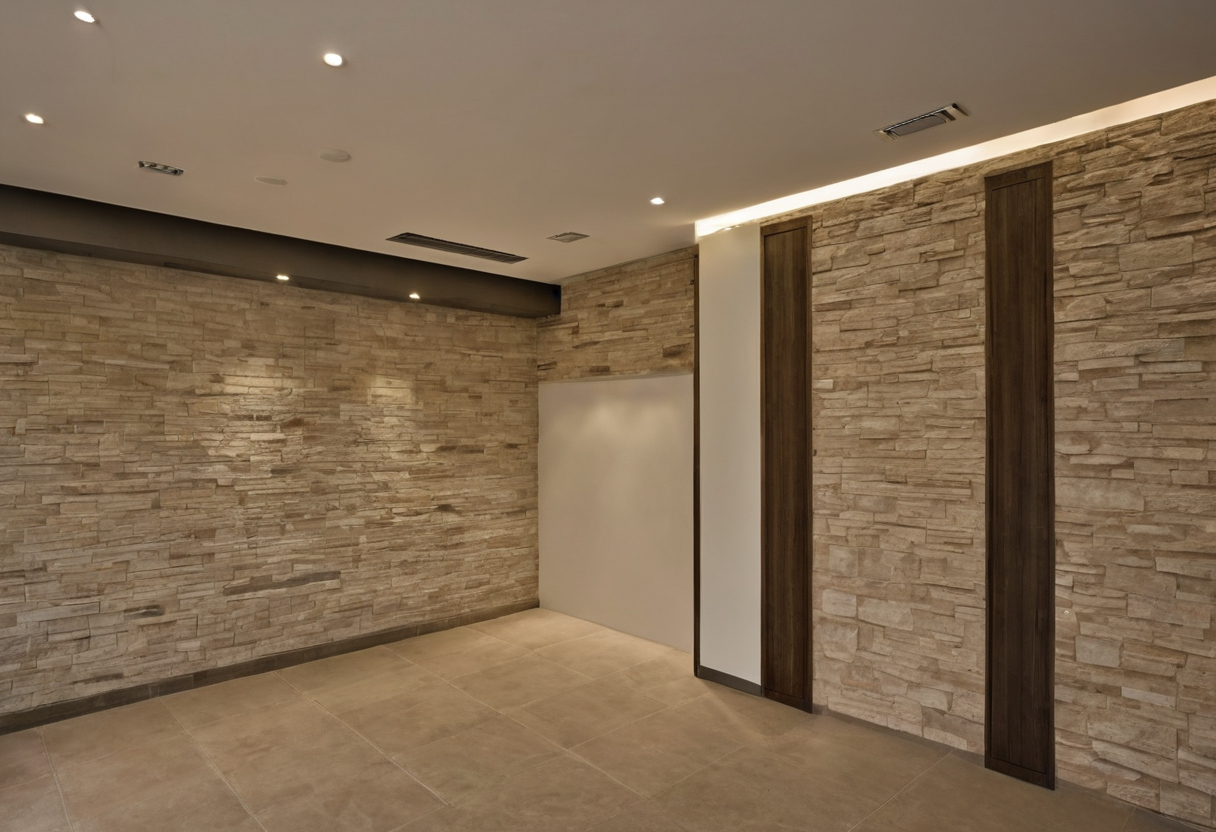
Which Dubai approvals or NOCs may apply before villa AC replacement changes external units, structure or load shown as an editorial reference for proportion and finish coordination.
Indoor finishes should remain part of the coordination conversation. The U.S. Environmental Protection Agency identifies paints, varnishes, waxes, cleaning products, building materials and furnishings as common indoor sources of volatile organic compounds, so authority approval does not replace practical ventilation and commissioning planning during fit-out. Once the approval route is clear, a pre-ceiling closure checklist should be signed off before the villa interior finishes proceed.
A pre-ceiling closure checklist should be signed off before the villa interior finishes proceed
Before a Dubai villa renovation team closes ceilings, the owner should require a coordinated sign-off covering equipment, ducts, drains, insulation, wiring, access panels, controls, authority conditions and commissioning responsibilities. This checklist reduces the risk of cutting new ceilings later to fix airflow, leaks, noise or inaccessible components.
The pre-closure meeting should include the owner or owner representative, consultant, interior designer, MEP contractor and fit-out contractor. The purpose is not to admire progress. The purpose is to prove that hidden AC work matches the approved design intent before gypsum board, paint, joinery and lighting make inspection difficult.
-
Confirm installed indoor and outdoor equipment locations against the latest coordinated drawings.
-
Mark supply ducts, return air paths, condensate drains, refrigerant lines, control wiring and access zones on the ceiling plan.
-
Check that duct insulation, sealing, supports and clearances are complete before closure.
-
Run agreed tests before ceilings are boarded, including condensate drain checks, control continuity checks and pressure or leak checks where applicable to the system type.
-
Confirm that access panels are large enough and positioned for filters, drain trays, valves, electrical isolators, dampers and control components that need future service.
-
Record any authority, community or consultant conditions that affect AC equipment, roof penetrations, façade appearance, waterproofing or electrical coordination.
-
Assign post-fit-out commissioning duties, including airflow balancing, control testing, drainage observation and noise observations.
CIBSE’s Design Guide for Dubai: Mechanical, published in Jun 2020, is intended to establish minimum design standards for HVAC and mechanical systems for buildings in Dubai. CIBSE also states that the guide does not remove the designer’s responsibility to determine design arrangements accurately or comply with local authority requirements, international codes or regulatory requirements. For a villa owner, that means the checklist should support professional sign-off, not replace it.
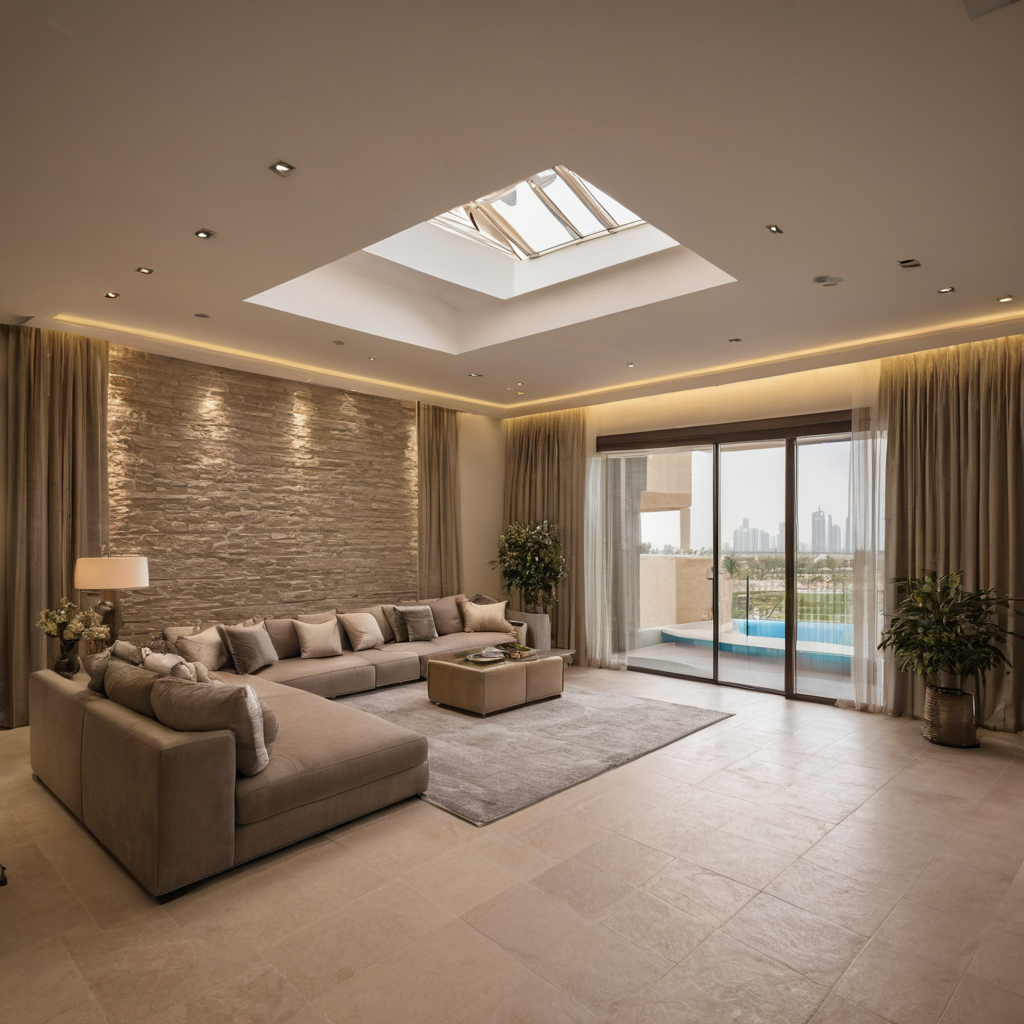
A pre-ceiling closure checklist should be signed off before the villa interior finishes proceed shown with finish, fixture, and clearance relationships visible.
The villa owner should receive drawings and photos before concealed AC work disappears
The villa owner should receive an as-built record before ceiling board installation starts. The record should show ducts, drains, refrigerant routes, control wiring, access panels, indoor unit positions, grille locations and any ceiling void zones reserved for maintenance.
The photo record should be practical rather than decorative. Each ceiling area should be photographed with enough surrounding detail to identify the room, wall line, beam, bulkhead or access panel location later. A close-up of an insulated drain is useful only if the future maintenance team can tell where that drain sits above the finished ceiling.
Warranty records should also be collected before handover becomes rushed. Equipment model references, serial numbers, supplier invoices, installation dates, thermostat information and maintenance access notes should sit in one digital folder with the as-built drawings and photos. Future filter cleaning, fault tracing or partial renovation work becomes faster when the hidden AC layout is documented.
Commissioning should confirm airflow, drainage, controls and user operation after fit-out
Commissioning should happen after ceilings, grilles, doors, joinery, lighting and controls are complete, because the finished interior can change how air moves. A bedroom with a tight door undercut, a blocked return path or a thermostat beside a warm light fitting may perform differently from the same room during rough-in.
The commissioning checklist should confirm airflow balance at key rooms, thermostat response, zoning operation, damper response where fitted, condensate drainage under operating conditions and noise observations at normal use settings. The MEP contractor should also show the owner how to reach filters, reset basic controls and recognise early warning signs such as repeated drain alarms, unusual noise or rooms that never reach set temperature.
The final handover should name the contractor responsible for defects response and planned maintenance during the agreed post-handover period. A Dubai villa renovation should not treat AC replacement as complete when the ceiling is painted. The better decision is to delay interior closure until concealed work is documented, tested and signed off, then delay final acceptance until the renovated villa cools, drains and responds as designed.
FAQ
These answers focus on practical coordination before ceiling closure, because that is where many villa AC replacement problems become expensive to correct.
What is the first thing a Dubai villa owner should ask an AC technician before replacing units during renovation?
The first question should be: does the proposed AC replacement match the renovated villa layout and ceiling design, including ducts, returns, drains, access panels and controls? A technician who answers only with a unit size or equipment brand has not yet addressed the coordination risks that affect false ceilings, joinery, lighting and future maintenance.
Does villa AC replacement in Dubai require authority approval or a community NOC?
A direct maintenance-style replacement may be treated differently from a modification, but approval depends on the villa’s jurisdiction, community rules and scope. Changes to external condenser locations, roof equipment, façade appearance, structure, duct penetrations or connected load should be checked with the relevant authority route, consultant and community manager before work proceeds.
What does the 20 rule for air conditioning mean, and is it reliable for Dubai villa renovations?
Rules of thumb are not reliable as the only basis for a Dubai villa renovation because the renovated layout may change glazing, room use, occupancy, kitchen loads, insulation, extensions and return air paths. The safer approach is a project-specific capacity review against the final architectural and MEP design, followed by confirmation that indoor units, outdoor units, ducts and controls are compatible.
Who is responsible for AC maintenance in a Dubai villa after renovation handover?
The handover record should name the contractor responsible for defects response and planned maintenance during the agreed post-handover period. The owner should also receive as-built drawings, photos, access panel locations, equipment records, control instructions and maintenance notes so that future technicians can service filters, drains, dampers and controls without cutting finished ceilings unnecessarily.
Can smart thermostats be added to an existing ducted split or VRF system during a villa renovation?
Smart thermostats may be possible, but compatibility must be confirmed before wall finishes and ceiling closure. The AC supplier should check the selected equipment, controller type, communication requirements, wiring routes and any limitation on third-party controls. A smart thermostat that is not compatible with the indoor unit, outdoor unit or zoning arrangement can create control problems rather than better comfort.

About Karamna Design Review
Editorial coverage of interior design, luxury majlis, and villa renovation across Dubai and the wider UAE.