

The new show kitchen looks approved on the drawing, the EV charger has a neat place beside the driveway, and the pool plant room has been tucked behind the landscape screen. Before the owner signs off the concept, one practical question can change the sequence: can the existing villa electrical capacity support the renovation, or does the team need DEWA-related coordination before procurement starts?
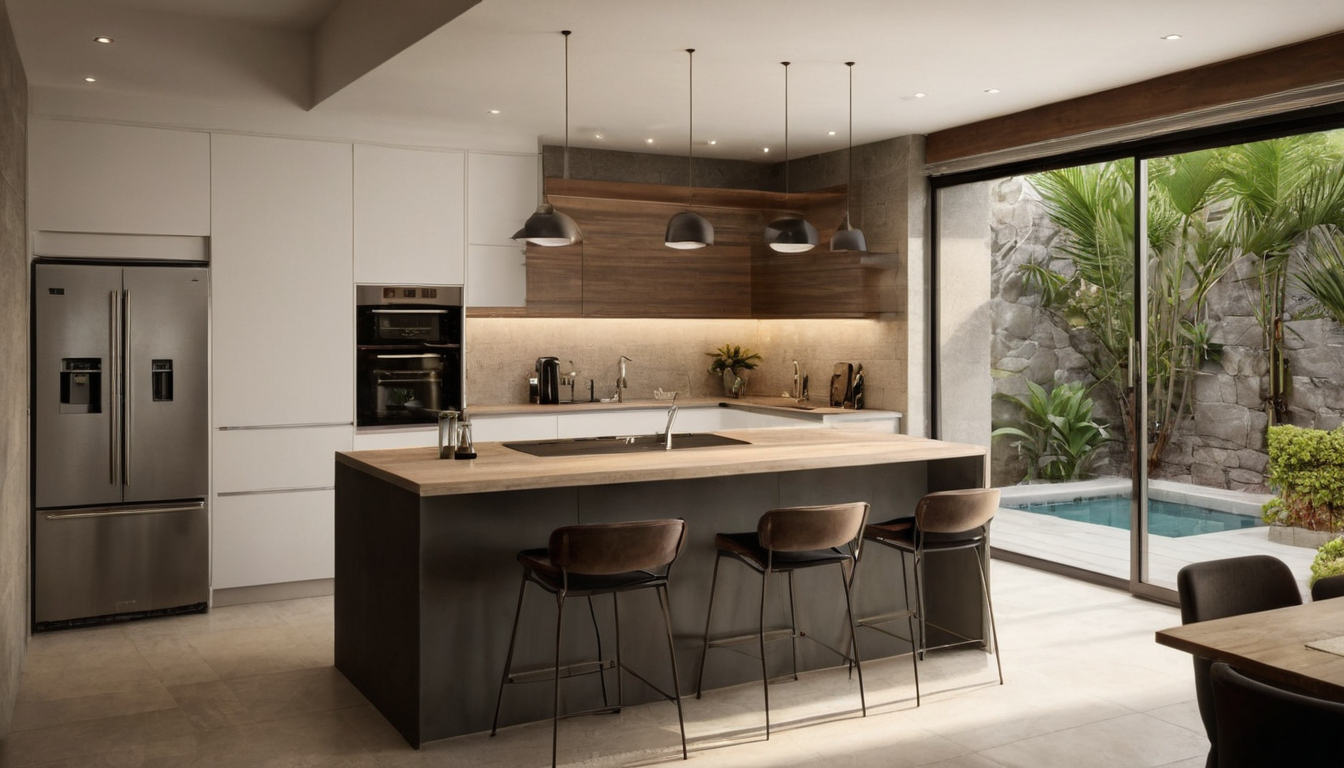
DEWA Load Upgrades for Villa Renovations: When New AC, Kitchens or EV Charging Change the Plan shown with floor, wall, and fixture relationships visible.
Will a Dubai villa renovation need a DEWA load review before design freeze?
A Dubai villa renovation should include an electrical load review before design freeze when the scope adds major fixed equipment, changes air-conditioning capacity, introduces EV charging, or alters distribution boards, because existing connected load, authority jurisdiction, and master-developer NOC conditions can affect approvals and construction sequencing.
The decision point often appears while the drawings still look harmless: a larger show kitchen, a new AC layout, an EV charger beside the driveway, a pool plant room upgrade, or a small lift added to the plan. Each item may be reasonable on its own, but the villa electrical system sees the combined demand, not the mood board.
Which Dubai villa renovation scopes trigger an early electrical load review?
Villa owners should request an early electrical load review when the renovation changes fixed equipment rather than only finishes. Paint, loose furniture, decorative lighting selection, and joinery style rarely define DEWA capacity. Mechanical and electrical equipment often does.
Will a Dubai villa renovation need a DEWA load review before design freeze shown as a planning reference for layout, scale, and material decisions.
-
Air-conditioning redesign: new indoor and outdoor units, larger capacity equipment, relocated condensers, or added cooling zones should be checked before ceiling, façade, and external service routes are frozen.
-
Kitchen and laundry upgrades: show kitchens, back kitchens, outdoor kitchens, additional ovens, heavy laundry equipment, and cold storage should be listed before appliance procurement.
-
EV charging: a charger location on a villa driveway may affect cable routes, distribution board capacity, protection requirements, and possible external works.
-
Lifts and wellness equipment: lifts, saunas, steam rooms, spa equipment, and gym equipment with fixed electrical supplies should be treated as electrical planning items, not late luxury additions.
-
Pool and landscape systems: pool pumps, heaters, water features, irrigation pumps, garden kitchens, and external lighting can affect both load planning and master-developer coordination where external areas are involved.
-
Electrical infrastructure changes: new distribution boards, sub-main cables, smart-home panels, generator or backup interfaces, and major rewiring should trigger consultant review before contractor comparison.
Air-conditioning changes deserve special attention because they connect comfort, electrical demand, condensation control, drainage, and access for maintenance. As a narrow moisture-planning reference, the U.S. Environmental Protection Agency guide to mold and moisture states that condensation and wet or damp spots should be fixed promptly to prevent mold growth. That is not a Dubai approval rule, but it is a useful reminder that AC and wet-area planning should not be separated from building performance.
What existing villa information should be checked before asking for a DEWA load upgrade?
A consultant or approved electrical contractor cannot give a reliable view from a room-by-room design intent alone. The starting point is the existing villa record, the actual site condition, and the proposed new equipment schedule.
-
DEWA account or bill information that helps identify the existing service record for the premises.
-
Meter location, meter room access, and any visible service equipment serving the villa.
-
Existing single-line diagram, if available from prior construction, alteration, or handover records.
-
Distribution board schedules, breaker labels, and spare ways, checked against the physical boards.
-
As-built MEP drawings, especially for villas that have already been extended or altered.
-
Proposed AC schedule, appliance list, EV charger requirement, lift data, pool equipment list, and outdoor equipment list.
-
Community or master-developer alteration requirements where meter rooms, driveways, boundary walls, landscaping, or external service corridors may be affected.
The site inspection can reveal obvious constraints such as crowded distribution boards, unclear labels, inaccessible cable routes, or external equipment with no clean path back to the electrical room. Drawings, testing, authority records, and DEWA-related coordination may still be needed before anyone confirms spare capacity or an additional load route.
DEWA’s own Getting Electricity Connections service page is the practical owner-facing reference to ask the project team about. It states that enrolled contractors and consultants use the service for power connections, notes that consultants or contractors can follow the service guidelines for additional load or temporary supply requests, and lists technical requirements such as connected-load summaries, load distribution schedules, single-line diagrams, meter locations, LV room or electrical-room details, and wiring layouts.
The safest owner decision is simple: do not freeze the luxury concept or compare electrical upgrade quotations until the project team knows which new loads are driving the DEWA plan.
Which new villa renovation loads most often change the DEWA plan?
The loads most likely to change a Dubai villa renovation plan are not decorative lighting or loose furniture appliances, but permanent services with high electrical demand. In luxury villa projects, the main triggers are HVAC redesign, commercial-style kitchens, EV chargers, lifts, pool systems, saunas, outdoor kitchens, irrigation pumps, and larger smart-home infrastructure.
How do new AC systems affect electrical capacity in a Dubai villa renovation?
Air conditioning usually deserves the first check because HVAC decisions sit behind ceilings, walls, façades, plant spaces, drainage routes, and electrical distribution. A villa concept may show new bulkheads, quieter bedrooms, larger glazed openings, or a converted majlis, but the MEP consultant has to translate those design choices into cooling equipment, controls, isolators, cable routes, and distribution-board capacity.
HVAC redesign can affect the load plan when the renovation changes room use, increases conditioned area, replaces older units, adds ducted zones, or relocates outdoor equipment. The issue is not only the AC unit itself. The electrical design may also need to account for controls, condensate pumps, ventilation equipment, fresh-air provisions, and maintenance access around plant locations.
Lighting rarely drives the same decision on its own, especially where efficient fittings are selected. For lighting planning where qualified LED products are applicable, ENERGY STAR states that qualified LED lighting uses at least 75 percent less energy and lasts up to 25 times longer than incandescent lighting. That does not remove the need for a lighting schedule, but it explains why AC, kitchens, EV charging, lifts, and pumps usually get attention first.
Which new villa renovation loads most often change the DEWA plan shown as a planning reference for layout, scale, and material decisions.
How do show kitchens, outdoor kitchens, and laundry upgrades affect connected load?
Kitchen and laundry specifications can quietly turn a design decision into an electrical-capacity decision. A show kitchen with fixed ovens, warming drawers, induction cooking, refrigeration, dishwashers, extraction, coffee equipment, and concealed appliance garages gives the electrical consultant a different problem from a light cosmetic refurbishment.
Outdoor kitchens add another layer because the equipment may sit in a landscape zone, under a pergola, near a pool terrace, or beside irrigation and lighting circuits. The MEP consultant should see the appliance schedule before final distribution-board design, cable containment coordination, and any authority or community submission that depends on the electrical scope.
Laundry upgrades can also matter when a utility room becomes a working back-of-house zone with multiple fixed appliances, ventilation, water-heating equipment, and smart controls. The owner does not need to choose every finish before the load review, but the fixed appliance strategy should not remain vague until joinery fabrication.
How do EV chargers, lifts, pools, and wellness equipment affect DEWA coordination?
EV chargers, lifts, pools, and wellness rooms should be treated as early load-review items because they are fixed services, not styling choices. A charger location on the driveway drawing may affect cable routes, meter-room coordination, trenching, driveway finishes, boundary works, and master-developer permissions, depending on the villa community and project scope.
Lifts and wellness equipment create similar pressure. A new lift, sauna, steam room, jacuzzi, water feature, pool plant, or irrigation pump may need dedicated circuits, protection, isolation, and coordinated access. Pool-related decisions can also affect wet services, drainage, equipment-room ventilation, and maintenance clearances, so they should stay in the MEP schedule instead of being treated as late decorative additions.
The practical diagnostic is simple: if the item is fixed, motor-driven, heat-producing, cooling-related, charging-related, or tied to water systems, ask the MEP consultant to include it in the villa load schedule before the design is approved. The next question is what that consultant should check before the interior concept becomes a procurement commitment.
What should the MEP consultant check before the interior design concept is approved?
Before a Dubai villa owner approves the interior concept, the MEP consultant should test whether the design can be supported by the existing electrical infrastructure. The review should cover load schedules, distribution boards, spare ways, cable routes, equipment locations, earthing, protection, testing access, and any authority or master-developer constraints.
What is included in a villa electrical load schedule for a Dubai renovation?
A villa electrical load schedule is the working document that connects the design wish list to the electrical system. It should list the existing and proposed electrical loads, then separate what is already connected from what the renovation adds. The consultant should review major equipment such as AC units, kitchen appliances, laundry equipment, EV charging, pool plant, pumps, lifts, sauna or steam equipment, outdoor cooking equipment, lighting, controls, and smart-home panels.
The schedule should also show how the consultant has treated spare capacity and future provision. For an owner, the point is not to check the engineering calculation line by line. The point is to see whether the concept depends on capacity that has not yet been confirmed. A beautiful ceiling design, for example, can become a problem if later electrical routes need to cross finished gypsum, concealed lighting slots, or custom joinery.
Why do single-line diagrams, DB schedules, and cable routes matter before procurement?
Single-line diagrams, distribution board schedules, and cable routes matter because they turn the load review into buildable information. The single-line diagram shows the electrical arrangement at a simplified system level. The DB schedule links circuits to boards and helps the team understand whether the existing boards can support the revised villa layout. Cable-route planning shows where upgraded sub-mains, containment, risers, ceilings, shafts, walls, or external trenches may be affected.
A practical owner workflow is:
-
Ask the MEP consultant to review the existing DEWA account information, available drawings, site condition, main panel, distribution boards, and major equipment list.
-
Freeze appliance, AC, EV charger, pool, lift, and wellness equipment assumptions before final interior drawings are approved.
-
Coordinate electrical routes with ceilings, joinery, stone cladding, landscape works, and plant-room access before procurement starts.
-
Confirm which items need authority, DEWA, contractor, consultant, or master-developer coordination before the contractor prices the final scope.
What earthing, protection, and testing issues should not be left until handover?
Earthing, protective devices, isolation, labelling, access for inspection, and testing provisions should be discussed before handover because they can affect board locations, equipment rooms, ceiling access panels, and service clearances. These are not decoration details that can be solved after the villa is painted.
What should the MEP consultant check before the interior design concept is approved shown with finish, fixture, and clearance relationships visible.
The MEP consultant should identify the handover records expected for the agreed scope, such as approved drawings where applicable, as-built drawings, test reports, equipment data, and commissioning records. The owner should avoid treating these documents as paperwork only. They are the evidence that the renovated villa’s electrical design was coordinated, installed, checked, and left maintainable.
Once the electrical design package is defined, the next question is who must review or accept each part of it: DEWA, Dubai Municipality, DDA, Trakhees, the master developer, or a combination based on the villa’s location and scope.
How does DEWA coordination fit with Dubai Municipality, DDA, Trakhees, and master-developer approvals?
DEWA coordination is only one part of the approval path for many Dubai villa renovations. Depending on the villa location and scope, electrical load changes may need to align with Dubai Municipality, DDA, Trakhees, community developer NOCs, civil works permissions, façade rules, excavation controls, and approved consultant or contractor submission procedures.
Which authority jurisdiction applies to the villa before a DEWA load upgrade is planned?
The villa address sets the first approval question. A load upgrade for a villa under one authority may follow a different coordination route from a similar villa in another community, especially where the work touches the meter area, driveway, boundary wall, landscape, façade, roof plant, service corridor, or shared infrastructure zone.
For a Dubai Municipality jurisdiction project, the project team should treat building services coordination as part of the wider code and permit environment. Dubai Municipality publishes the Dubai Building Code as the emirate-level building code reference for Dubai, where Dubai Municipality jurisdiction or building services coordination is relevant. DEWA’s connection page also notes that projects licensed under Dubai Municipality authority apply through the Dubai Building Permit System, with DEWA receiving the request through digital integration, so the owner should confirm whether the consultant is working through DBPS, DEWA channels, or a master-developer route before procurement starts.
DDA, Trakhees, free zone, and master-developer controlled communities should not be assumed to follow the same sequence. The owner’s consultant should confirm the applicable authority from the title deed, community rules, plot records, prior approval drawings, or master-developer portal information before the renovation team freezes the electrical design.
A practical jurisdiction check should ask:
-
Which authority controls villa alterations for this plot?
-
Does the master developer require an alteration NOC before authority submission?
-
Will the load upgrade change external cable routes, meter room access, driveway finishes, boundary details, or landscape works?
-
Does any excavation, façade change, roof equipment, or plant enclosure need separate review?
-
Who must sign and submit the electrical drawings, load schedule, and related NOC documents?
Interior finishes can also affect coordination, even when they are not electrical loads. The U.S. Environmental Protection Agency identifies paints, varnishes, waxes, cleaning products, building materials, and furnishings as common indoor sources of volatile organic compounds, so material selection, ventilation planning, and MEP decisions should move together when ceilings, AC, and enclosed joinery are being redesigned.
Who should submit DEWA-related electrical information for a villa renovation?
The safest owner assumption is simple: the person designing the joinery is not automatically the person who can support DEWA-related electrical coordination. The interior designer can flag appliance choices, lighting scenes, smart-home requirements, and equipment locations, but the electrical capacity case needs technical documents from the project’s MEP consultant, approved contractor, or other properly appointed specialist.
The owner representative should collect existing DEWA account information, approved drawings, DB schedules, and any previous alteration approvals. The MEP consultant should compare existing connected load, proposed load, spare capacity, cable routes, distribution boards, protection, and earthing. The main contractor should identify civil work affected by the electrical proposal, including ceilings, trenching, meter access, external walls, and landscape reinstatement. The consultant or approved submission party should then confirm the current DEWA, authority, and master-developer route before procurement starts.
This sequence prevents a common renovation mistake: treating DEWA as a late utility signature after the kitchen, AC equipment, charger location, and pool plant have already been purchased. The next decision is which design and procurement items should stay on hold until electrical capacity is confirmed.
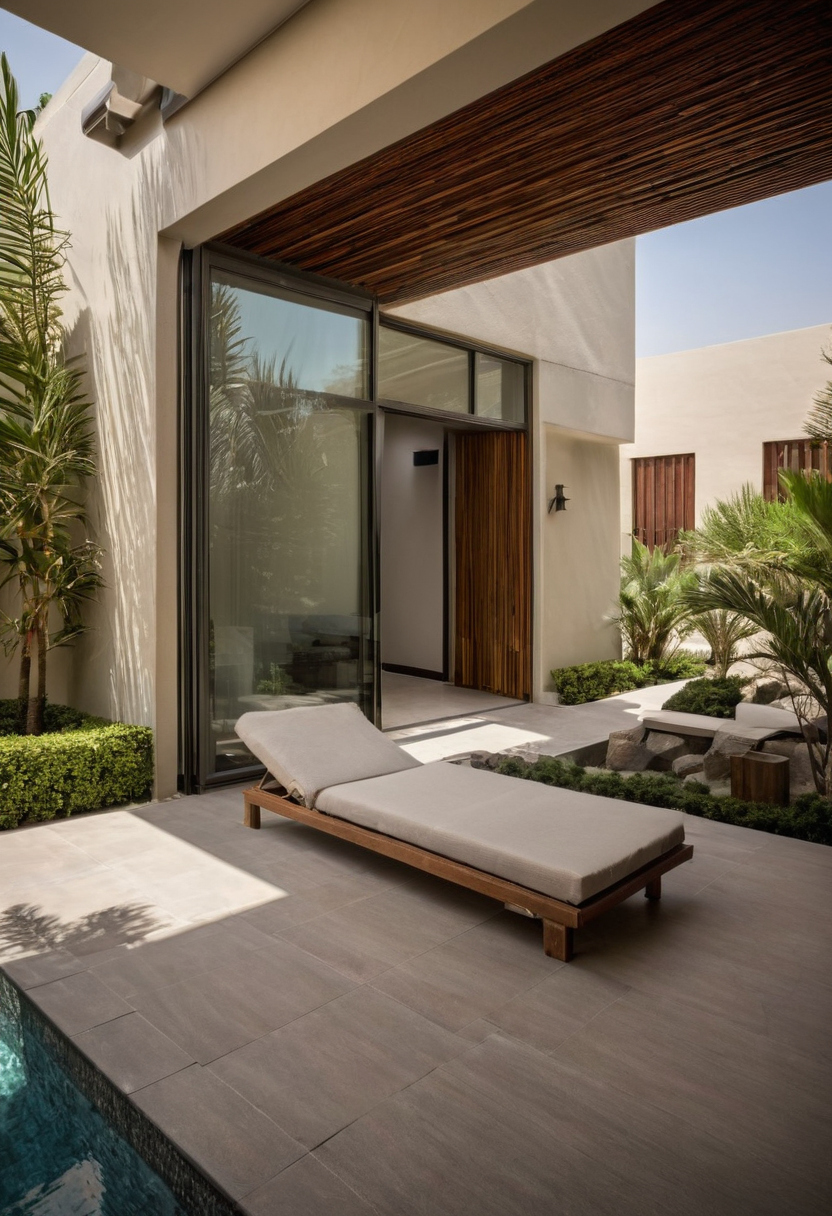
How does DEWA coordination fit with Dubai Municipality, DDA, Trakhees, and master-developer approvals shown as an editorial reference for proportion and finish coordination.
Which renovation decisions should wait until electrical capacity is confirmed?
A Dubai villa owner should avoid locking major electrical decisions until the load review confirms feasibility. Equipment procurement, imported appliance orders, ceiling and lighting layouts, joinery around distribution boards, EV charger locations, pool plant rooms, lift selections, and external trenching plans can all become difficult to revise if DEWA or authority coordination changes the design.
What procurement items should be held until the villa load review is complete?
The safest hold list is anything that fixes electrical demand, cable route, ventilation requirement, access panel position, or service space before the MEP consultant has checked the villa capacity and distribution strategy.
-
Final AC equipment selections, including outdoor unit positions and electrical data.
-
Show kitchen appliances, secondary kitchen equipment, laundry machines, and specialist cooking systems.
-
EV charger specifications and the exact charger wall or driveway location.
-
Lift, platform lift, sauna, steam, gym, pool, water feature, and irrigation equipment schedules.
-
Ceiling lighting layouts, smart-home panel locations, and joinery that encloses distribution boards or access zones.
Finishing sequence also matters. The U.S. Environmental Protection Agency recommends increasing ventilation when using products that emit volatile organic compounds indoors, so ventilation planning should not be separated from electrical and fit-out sequencing where paints, adhesives, coatings, or built-in materials are being installed.
What design alternatives can reduce pressure on a DEWA load upgrade?
A larger supply is not the only design response. The MEP consultant may test lower-load equipment, revised equipment locations, phased installation, future-ready conduits, smart controls, or a different charger specification before the owner commits to procurement.
-
Relocate equipment to reduce disruptive cable routes through finished ceilings or landscaped areas.
-
Phase non-urgent loads so the villa can be prepared without buying every item at once.
-
Review lighting and control choices before decorative ceilings and joinery are released for fabrication.
Once the capacity strategy is clear, the next question is whether contractor quotations include the full electrical upgrade scope or leave critical DEWA-related items as exclusions.
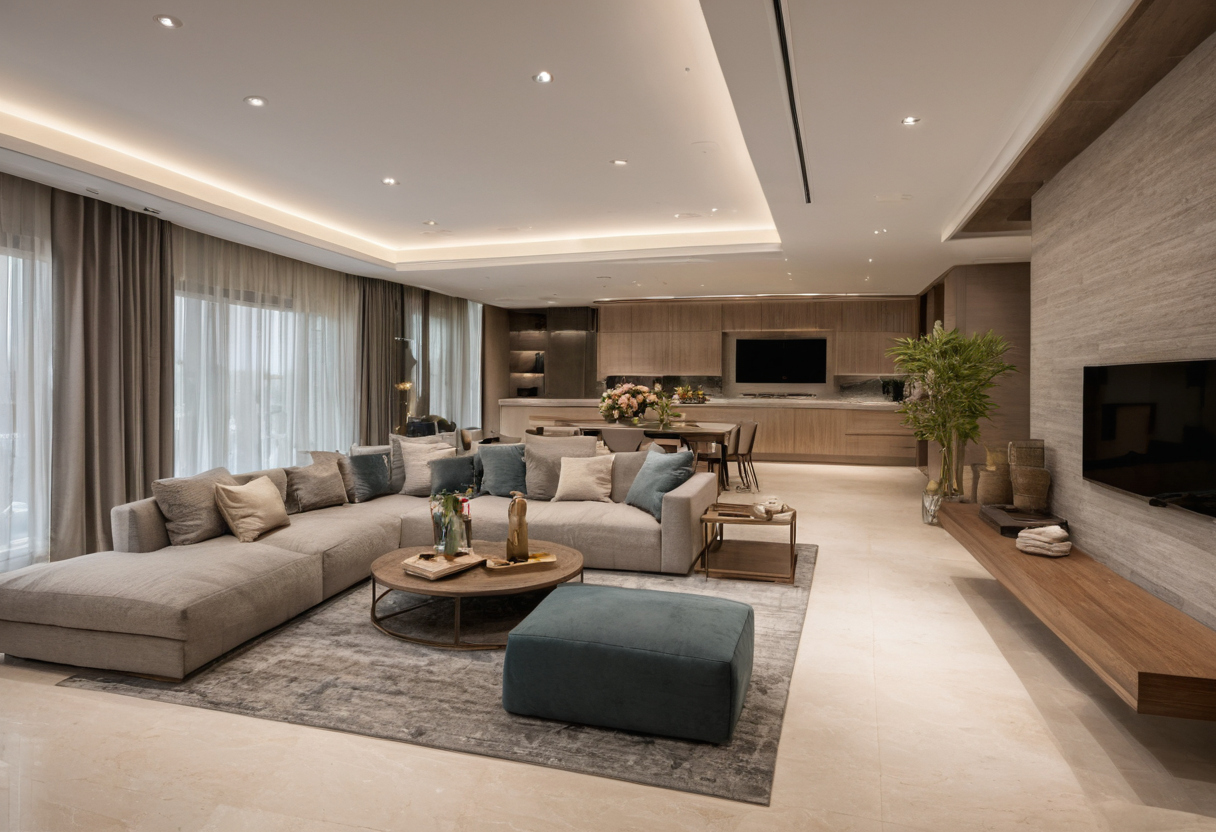
Which renovation decisions should wait until electrical capacity is confirmed shown with finish, fixture, and clearance relationships visible.
What should villa owners ask contractors before comparing quotations for electrical load upgrades?
Villa owners in Dubai should compare electrical upgrade quotations only after separating authority coordination, engineering design, site works, equipment supply, testing, and handover documents. A low quote may exclude DEWA-related submissions, master-developer NOCs, civil reinstatement, DB replacement, cable routes, testing, or as-built documentation needed for a coordinated renovation.
Which scope items should appear in a Dubai villa electrical upgrade quotation?
A like-for-like quotation should show who is responsible for the engineering decision, who submits information where required, and who carries the site risk once walls, ceilings, driveways, or landscape areas are opened.
-
Existing villa electrical survey, including main panel, distribution boards, spare capacity, visible cable routes, and affected rooms.
-
Load calculation or load schedule based on the approved renovation scope, not only the contractor’s first site impression.
-
Single-line diagram updates, DB schedules, equipment schedules, and coordination with the interior, AC, kitchen, pool, lift, EV charger, and smart-home packages.
-
Authority, DEWA-related, community, or master-developer coordination where the project jurisdiction and scope require it.
-
Supply and installation of DB works, cabling, containment, isolators, protection devices, earthing-related works, and builders’ works tied to the electrical route.
-
Testing, commissioning support, reinstatement, labelled panels, as-built drawings, and handover documents.
Which exclusions create risk in a DEWA-related renovation quotation?
Risky exclusions are the items that sit between design intent and energised, documented work. Villa owners should ask each contractor to list exclusions in writing, including authority charges, NOC charges, consultant submissions, trenching, meter-room or external service-area modifications, temporary power, ceiling access, landscaping reinstatement, testing reports, and final documentation.
The practical decision is simple: do not compare electrical upgrade prices as one lump sum. Compare responsibility, drawings, approvals, site works, testing, and handover as separate lines before appointing the renovation contractor.
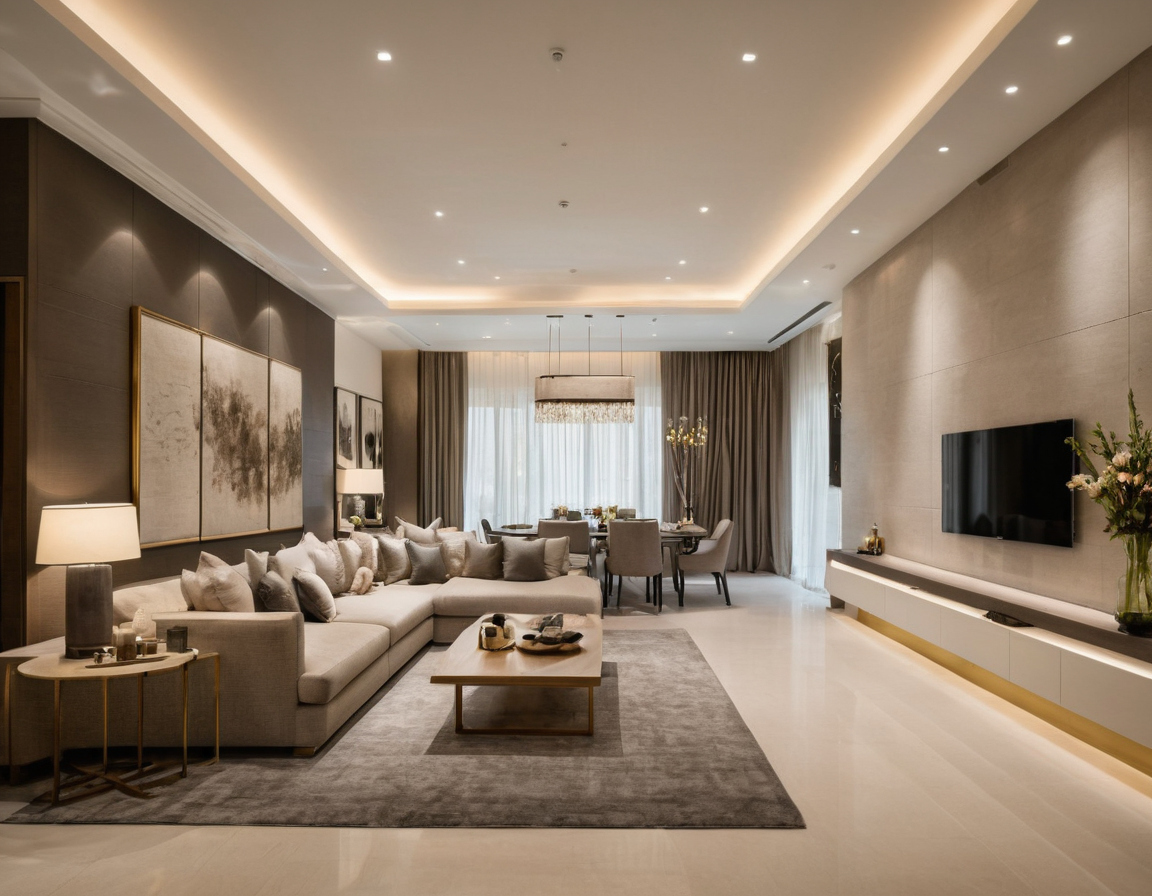
What should villa owners ask contractors before comparing quotations for electrical load upgrades shown as a planning reference for layout, scale, and material decisions.
FAQ
Can a Dubai villa owner estimate the cost of an electrical load upgrade before DEWA and MEP review?
A villa owner can request a preliminary allowance, but a reliable cost comparison needs an MEP review of the existing service condition, proposed load schedule, distribution boards, cable routes, authority jurisdiction, and civil works affected by the upgrade. Without that review, quotations may exclude the items that later control the real scope.
Does adding an EV charger to a Dubai villa always require a DEWA load upgrade?
No single assumption should be used for every villa. An EV charger should trigger an electrical load review because the answer depends on the existing connected load, spare capacity, charger specification, cable route, distribution board condition, villa community requirements, and the current DEWA-related coordination route confirmed by the appointed consultant or approved contractor.
Can a villa electrical panel be upgraded without rewiring the whole house?
Sometimes the scope may be limited, and sometimes a wider rewiring or distribution upgrade may be needed. The answer depends on the condition of the existing boards, cables, earthing, protection, circuit labelling, spare capacity, and proposed new loads. The owner should ask for the boundary between panel works, new circuits, testing, ceiling access, and as-built documentation before comparing prices.
Does the 80 percent EV charging rule change the electrical load calculation for a villa charger?
A generic rule should not replace the project-specific electrical calculation for a Dubai villa. The MEP consultant or approved electrical specialist should confirm how the charger is assessed for the actual villa, the existing capacity, the proposed equipment, the distribution design, and any DEWA-related or community coordination that applies to the property.
Should electrical load capacity be checked before shortlisting renovation contractors?
Yes, if the renovation includes new AC equipment, a show kitchen, outdoor kitchen, EV charger, lift, pool equipment, sauna, steam room, irrigation pumps, smart-home panels, or major DB changes. Early load review helps the owner compare contractors on the same scope, rather than discovering after procurement that the villa needs different authority coordination, cable routes, or electrical infrastructure.

About Karamna Design Review
Editorial coverage of interior design, luxury majlis, and villa renovation across Dubai and the wider UAE.