

The riskiest open-plan villa decision is treating a wall as “just internal” before drawings, load paths, approvals, and demolition controls are checked. The owner may want one larger living and dining space, but the wall may be carrying load, hiding services, or forming part of an approved condition.
Can a Dubai villa owner remove an internal wall before structural checks are complete?
A Dubai villa owner should not remove or open an internal wall until the wall’s structural role, approval path, and demolition method are confirmed. In a completed villa, the same internal wall can affect structure, approved drawings, MEP routes, contractor access, debris removal, or community NOC conditions.
The subject of the first decision is whether the wall is load-bearing, bracing, or only a partition
The owner’s first decision is not the width of the new opening. The first decision is whether the wall is carrying, restraining, or hiding anything that the open-plan concept depends on removing.
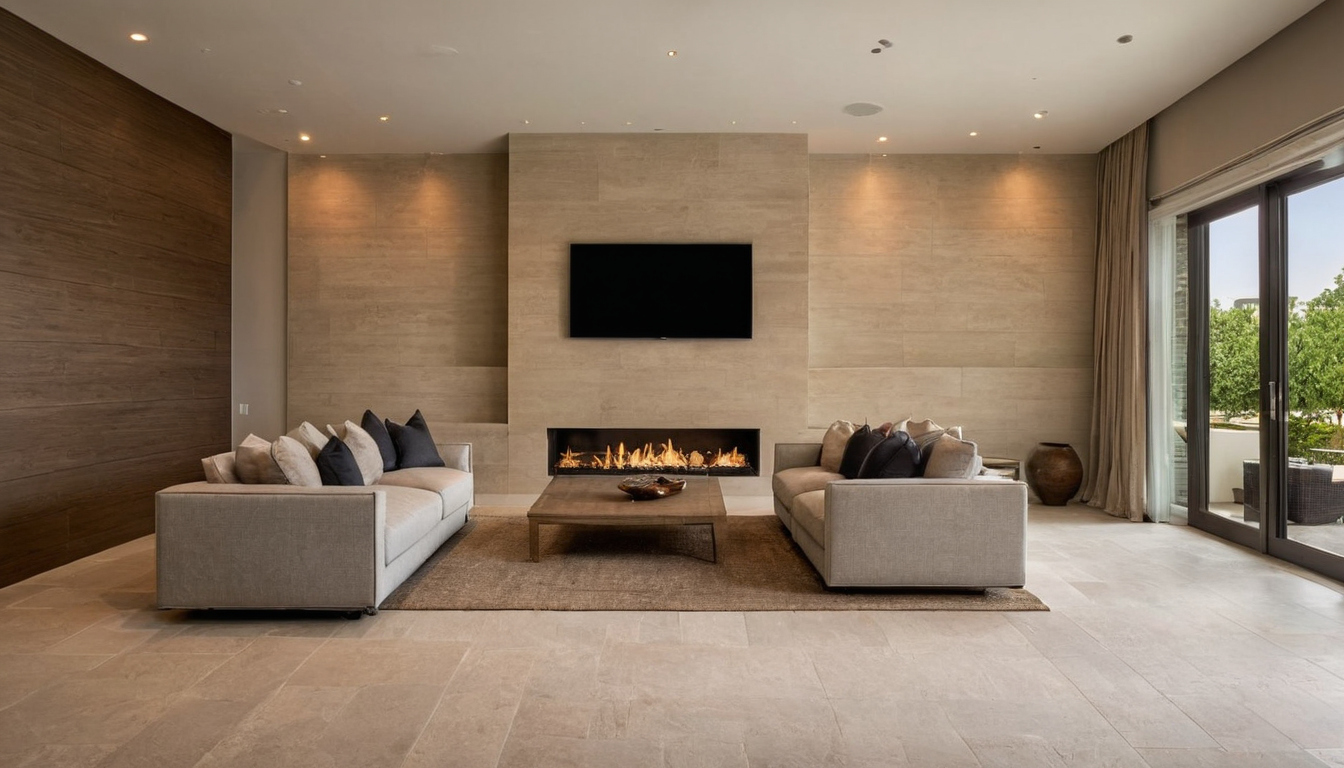
Can a Dubai villa owner remove an internal wall before structural checks are complete shown with finish, fixture, and clearance relationships visible.
-
Ask whether the wall lines up with beams, columns, upper-floor walls, slab edges, stair cores, or roof-load zones.
-
Ask whether the wall connects to an external wall, façade return, party-adjacent wall, garage wall, or stair enclosure.
-
Ask whether a Dubai-licensed structural engineer has reviewed existing drawings and inspected the wall before design is frozen.
-
Ask whether visual inspection alone is being treated as proof, because finishes, false ceilings, and previous renovations can hide beams, lintels, services, or patched structural work.
A safe planning stance is to treat the wall as unknown until engineering review separates partition removal from structural alteration. That protects the owner from approving a kitchen, ceiling, flooring, and lighting layout around an opening that may later need a beam, column, reduced span, or redesign.
The subject of the second decision is whether the proposed opening changes the approved villa drawings
The second decision is whether the wall removal changes the villa’s approved architectural or structural condition. A decorative opening, full-height removal, slab cut, stair-adjacent alteration, or beam modification can sit in different approval categories depending on the villa jurisdiction.
The owner should confirm whether the villa falls under Dubai Municipality, Dubai Development Authority, Trakhees, or another authority, and whether the community manager or master developer requires a renovation NOC. Once that boundary is clear, the next practical question is which Dubai authority or community approvals may apply before villa wall demolition.
Which Dubai authority or community approvals may apply before villa wall demolition?
The approval route for villa wall demolition in Dubai depends on the villa’s jurisdiction, community rules, and whether the modification is structural, architectural, or purely fit-out. Owners should confirm the competent authority first, then obtain any required master developer NOC, consultant submission, contractor registration, or building modification permit before site work begins.
Dubai Municipality, DDA, Trakhees, and master developers may treat the same wall opening differently
Dubai Municipality, where applicable, lists residential villas, including private and investment villas, within its building permit procedure categories. Dubai Municipality also states that its procedures cover technical inspections of under-construction sites in Dubai, so an owner should not assume that a wall opening is only an interior matter.
Dubai Development Authority uses a completed-building route in its jurisdiction. DDA provides a Building Modification Design service for design review after the building completion certificate has been issued, and a separate Building Modification Permit service for completed building projects after the completion certificate.
For the DDA permit stage, the requester is the contractor and the deliverable is a Building Modification Permit. DDA states that its online permit route uses the DDA portal, where the applicant selects the permit application under the Building Modification project and uploads the required documents.
Trakhees and master developer communities may apply separate procedures or NOC controls where the villa sits inside their jurisdiction or community. The safe owner action is to verify the plot authority and community manager before demolition, not after a contractor has mobilised.
Which Dubai authority or community approvals may apply before villa wall demolition shown with finish, fixture, and clearance relationships visible.
A structural change usually needs more than an interior design drawing
DDA’s Building Modification Design requirements show why a 3D visual is not enough for a wall-removal decision. DDA lists owner NOC, consultant appointment letter, structural calculations and models if applicable, and Dubai Civil Defense NOC if applicable for Building Modification Design submissions.
DDA also states that its Building Modification Design online process includes creating a new Building Modification project, selecting the Design application, uploading required documents, and paying fees. DDA publishes specific service details for this design route, including an estimated delivery time of 5 working days, a service fee of AED 1,500 plus stated surcharges, and approved design validity of 6 months, all within DDA conditions.
For the later DDA permit stage, DDA lists an appointment letter signed by the owner, consultant, and contractor, plus a site mobilization layout where applicable. DDA also states an estimated permit delivery time of 2 working days, with new permit fees tied to total additional or relevant built-up area and renewal fees under DDA’s stated terms.
Dubai Municipality also notes that downloadable files on its building permit procedures page, including PDF and MS Office formats, must be less than 40 MB. Once the approval route is clear, the next decision is more technical: what structural checks must prove that the open-plan layout can safely work.
What structural checks should a villa owner ask for before approving an open-plan layout?
Before approving an open-plan villa layout in Dubai, the owner should request a structural review of existing drawings, load paths, column and beam positions, slab direction, upper-floor wall alignment, roof loads, and any proposed new openings. These checks should be completed before interior design, MEP rerouting, procurement, or demolition sequencing is finalised.
The subject of load-path review is where roof, slab, beam, and upper-floor loads travel after the wall is altered
A load-path review should start with approved architectural drawings, structural drawings, as-built drawings where available, completion documents, and any previous modification approvals. The structural engineer should compare the proposed opening with the villa’s columns, beams, slab spans, roof structure, stair cores, and upper-floor wall lines.
-
Check whether the wall carries vertical load from a slab, beam, roof, or upper-floor wall.
-
Check whether the wall contributes to lateral stability, bracing, or stiffness in the villa layout.
-
Check whether the proposed opening affects a beam end, column face, slab edge, balcony, or façade support.
-
Check whether a partial opening, framed opening, or retained nib wall is safer than full removal.
The owner should treat this as engineering feasibility, not interior preference. Final structural design, sizing, strengthening, and approval drawings must come from a qualified structural engineer.
The subject of site inspection is confirming what the drawings do not prove
A site inspection should verify the actual villa condition because older villas and previously altered villas may not match the drawings. The inspection may review wall thickness, visible cracks, ceiling bulkheads, beam positions, slab direction indicators, and signs of undocumented openings or infill works.
Where the risk is unclear, the engineer may ask for careful opening-up works, scanning, or exploratory checks before confirming the design. The owner should pause design approval if the wall contains unexpected concrete, steel, heavy lintels, or signs of past structural modification.
The subject of adjacent MEP services is avoiding structural and services clashes during wall removal
MEP checks should run beside structural checks before any wall, beam, slab, or chase is cut. The contractor and MEP team should trace electrical conduits, plumbing lines, drainage vents, AC routes, control wiring, ELV cabling, and smart-home wiring that may be concealed in or near the wall.
The safe sequence is structural engineer first, MEP confirmation second, interior layout freeze third. Once the opening is feasible, the next decision is what documents the structural engineer must issue before demolition starts.
What structural checks should a villa owner ask for before approving an open-plan layout shown with floor, wall, and fixture relationships visible.
What deliverables should the structural engineer provide before villa demolition starts?
For a Dubai villa wall-removal scope, the structural engineer’s deliverables should be clear enough for authority submission, contractor pricing, and safe demolition control. Owners should ask for reviewed existing drawings, inspection notes, structural calculations where required, proposed modification drawings, temporary support requirements, a demolition method statement, and written limits of the assessment.
A practical owner checklist should separate feasibility, authority submission, and site execution documents
The owner should not treat a concept plan as an engineering release. A workable package separates the documents that answer “can this opening work?” from the documents that answer “can the contractor cut this wall safely?”
-
Existing information: approved villa drawings, previous modification records, visible beam and column locations, and known service routes.
-
Site inspection: engineer inspection notes confirming what was visible, what could not be verified, and where further opening-up may be needed.
-
Structural design: load-path comments, calculations where the alteration affects structure, and proposed structural details for the new opening or support.
-
Authority submission: drawings and forms prepared by the responsible consultant where the jurisdiction requires formal design review.
-
Demolition control: method statement, temporary support notes, hold points, protection of adjacent finishes, and limits on cutting or vibration.
Within Dubai Development Authority jurisdiction, the DDA Building Modification Design service identifies the requester as the consultant and the service deliverable as stamped drawings. DDA also requires approved stamped drawings and proposed drawings highlighting the changes for Building Modification Design submissions, including architectural, structural and mechanical drawings, with the source referencing Circular no. 400.
Temporary supports and propping should be designed before any load-bearing element is cut
Temporary supports are not site improvisation. If the engineer identifies the wall, nib, beam bearing, or slab edge as part of the load path, the support sequence should be defined before demolition starts, including where props stand, what areas must stay unloaded, and when the engineer must inspect.
The contractor remains responsible for installing, protecting, maintaining, and removing temporary works in line with the approved method statement. The interior design team should then freeze ceiling lines, joinery, lighting, and finish interfaces around the engineered opening, not the other way around.
If the approved package still leaves uncertainty on loads, hidden reinforcement, or service clashes, demolition should pause until the engineer resolves the issue. The next control question is how the approved wall removal should be sequenced on site.
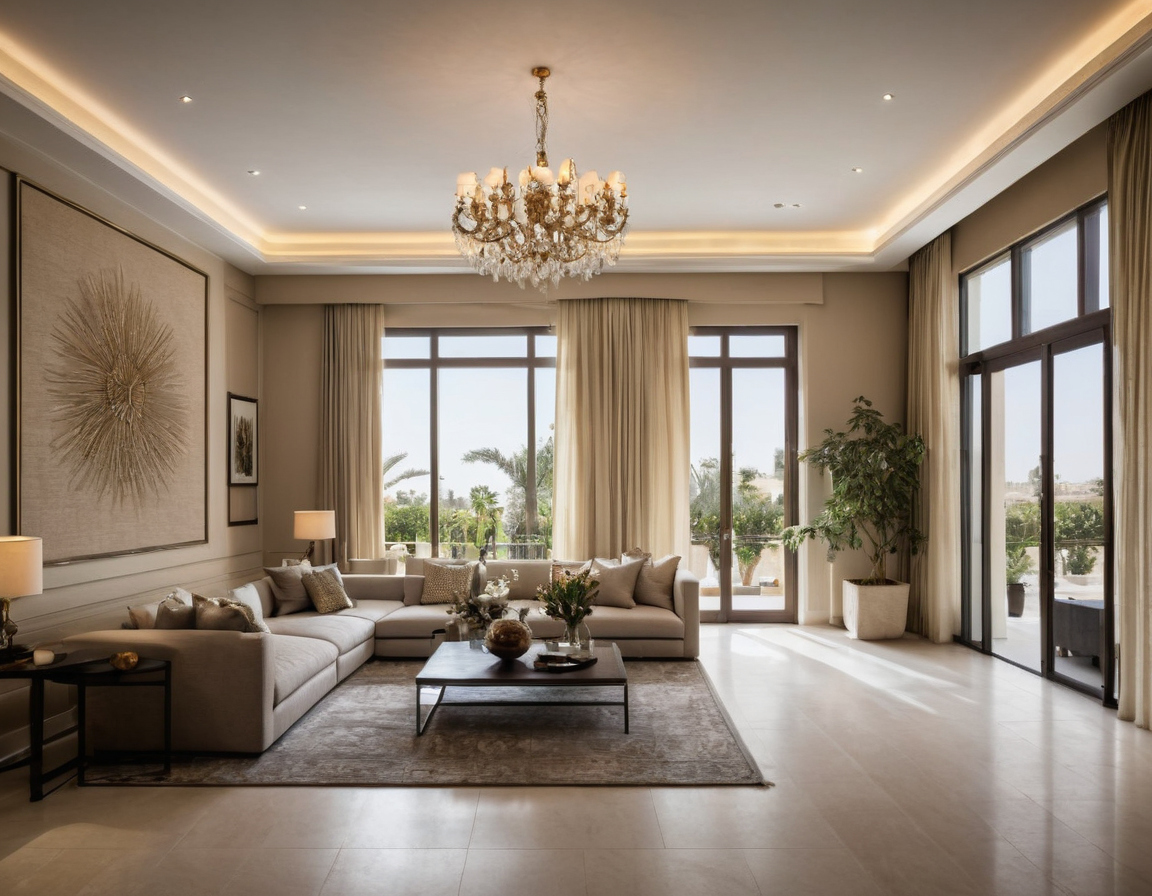
What deliverables should the structural engineer provide before villa demolition starts shown with floor, wall, and fixture relationships visible.
How should demolition sequencing be controlled when a villa wall is approved for removal?
Approved wall removal in a Dubai villa should follow a controlled sequence: isolate services, protect occupied areas, install required temporary supports, cut or open the wall in agreed stages, inspect exposed structure, remove debris through approved routes, and record any variation from the approved drawings or engineer instructions.
The subject of demolition control is preventing uncontrolled vibration, over-cutting, and damage to adjacent structure
-
Confirm electrical, plumbing, HVAC, drainage, ELV, and smart-home services before breaking starts.
-
Protect floors, stairs, joinery, glazing, waterproofed areas, and occupied zones from dust and impact.
-
Install temporary propping before any load-bearing element, lintel, beam support, or slab edge is disturbed.
-
Use staged, low-vibration cutting where the engineer or contractor specifies it.
-
Stop for inspection if reinforcement, a column edge, beam, slab thickening, service riser, or unexpected void appears.
Dubai Municipality states that its Building Control and Building Permits Department issues Building Permits and Completion Certificates to ensure the safety of buildings and structures, so demolition control should not be treated as a cosmetic site activity.
The subject of community compliance is keeping the approved structural work from becoming a site violation
The site team should keep the permit, community NOC, approved drawings, engineer notes, gate passes, working-hour conditions, parking rules, dust controls, and debris-removal route available for inspection. If exposed site conditions differ from the drawings, the owner should pause demolition and ask what red flags require engineering review before work continues.
What red flags mean a Dubai villa wall-removal plan should stop for engineering review?
A Dubai villa wall-removal plan should stop if demolition is proposed without drawings, if the wall aligns with upper-floor structure, if cracks or deflection appear, if columns or beams are being chased, if MEP services are unknown, or if community or authority approval status is unclear.
The subject of owner decision-making is when to redesign instead of forcing a full wall removal
Owner action should be simple: pause the works, photograph the condition, protect the area, and ask the structural engineer to compare the site finding with the approved or proposed drawings. Warning signs include fresh cracking, sagging, hollow-sounding masonry, exposed reinforcement, unexpected beams, water damage, and undocumented openings.
Design alternatives can still deliver an open-plan villa without forcing a risky full removal. Partial openings, framed openings, nib walls, concealed beams, decorative screens, and revised furniture layouts can turn a structural limit into a deliberate interior feature.
The subject of cost and timing is why prices should not be estimated before structural feasibility is known
Pricing should wait until the wall type, authority route, temporary support need, MEP diversions, access limits, and procurement items are clear. A pause for clarification is a normal engineering hold point; visible movement or active cracking requires immediate site safety control and engineer review.
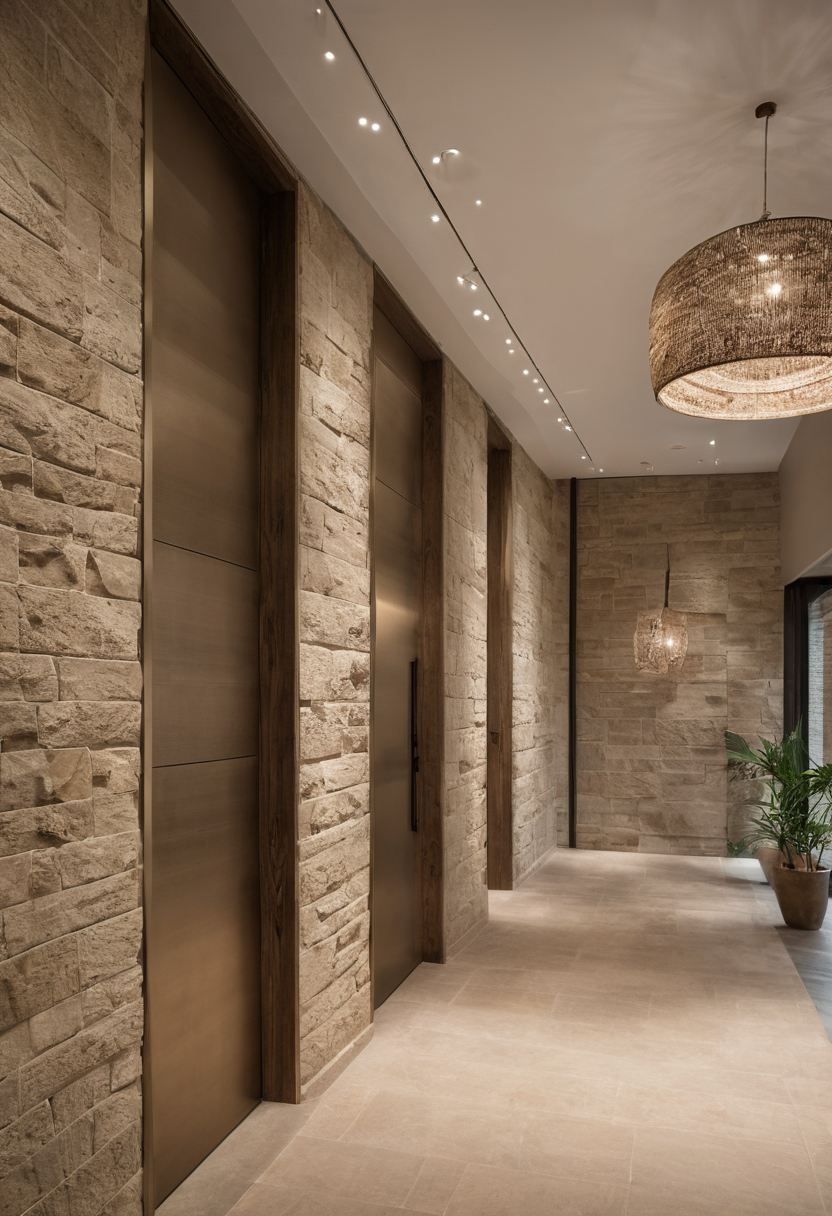
What red flags mean a Dubai villa wall-removal plan should stop for engineering review shown with finish, fixture, and clearance relationships visible.
The better planning decision is to freeze the luxury interior concept only after the structure, approvals, and demolition method are confirmed.
FAQ
Do I need a structural engineer to remove a wall in a Dubai villa?
Yes, if the wall role is unknown or the opening may affect beams, columns, slabs, upper-floor walls, roof loads, stairs, façades, or approved drawings. A contractor or designer should not treat structural clearance as a visual judgement.
How can a villa owner check whether an internal wall is structural before demolition?
The owner should ask for existing drawing review, site inspection, load-path assessment, and MEP tracing before demolition. If the drawings and site condition do not match, the engineer may require further checks before confirming feasibility.
What happens if a load-bearing wall is removed without approval or temporary support?
The immediate risks include cracking, deflection, damage to adjacent structure, unsafe work conditions, and a need to stop work for engineering review. The approval risk also increases if the built condition no longer matches the submitted or approved drawings.
Can an interior designer decide which villa walls can be removed?
An interior designer can propose the spatial concept, but a qualified structural engineer should confirm whether the wall can be removed, opened, strengthened, or retained. The best sequence is concept intent first, engineering feasibility second, then design freeze.
How much should a Dubai villa owner budget for structural checks before wall removal?
The owner should not rely on a generic price before the wall type, authority route, inspection scope, calculations, temporary support need, and MEP diversions are known. Ask for a scoped proposal after the first technical review, not before feasibility is clear.

About Karamna Design Review
Editorial coverage of interior design, luxury majlis, and villa renovation across Dubai and the wider UAE.